
Your Guide To Tooth Extraction Preparation: A Guide for New York City Residents
Tooth extraction is a dental procedure in which a tooth is removed from its tooth socket in the jaw. Extraction may be necessary for various reasons, including severe tooth decay, infection, gum disease, overcrowding, dental trauma, or to make room for orthodontic treatment. Sometimes, one or more teeth may need to be extracted to prevent complications in other teeth. Many patients refer to this as having a “tooth pulled.” In urgent situations, such as severe infection or trauma, an emergency tooth extraction may be required to protect your dental health and prevent further complications.
If your dentist or dental specialists have recommended tooth extraction to protect your oral health, it’s beneficial to understand the process and be prepared. Call our New York periodontist at 212-702-9088 to schedule your consultation and prevent minor dental concerns from turning into major oral health problems. At NYC Periodontics & Implant Dentistry, Dr. Scott Kissel helps patients across Manhattan, Brooklyn, Staten Island, and New Jersey protect and restore their oral health.

Reasons for Tooth Extraction
There are several important reasons why a dentist or oral surgeon may recommend tooth extraction. One of the most common is severe tooth decay that has damaged a tooth beyond repair, making it impossible to save with a filling or crown. Gum disease can also weaken the support around a tooth, leading to the need for extraction to protect your overall oral health. Impacted wisdom teeth—third molars that do not have enough room to emerge properly—often require removal to prevent pain, infection, or damage to nearby teeth and gums.
In some cases, tooth extraction is necessary to make space for dental implants or other tooth replacement options, especially if a tooth is causing pain or interfering with the alignment of your bite. Removing a problematic tooth can also help prevent further complications and support the long-term health of your gums and remaining teeth.
Types of Tooth Extraction Procedures for Wisdom Teeth
There are two main types of tooth extraction:
- Simple Extraction: This type of extraction is for teeth visible above the gum line that can be easily removed with forceps. Dentists and oral surgeons often use a local anesthetic to numb the area around the tooth to ensure a painless treatment.
- Surgical Extraction (Surgical Tooth Extraction): This type of extraction, also known as a surgical tooth extraction, is a surgical procedure for teeth that have not yet erupted or have broken off at the gum line. During this procedure, the gum tissue is cut or manipulated to access the tooth, and your dentist may separate it into pieces for removal. Advanced techniques such as piezoelectric bone surgery may be used to minimize trauma and improve healing. General anesthesia or dental sedation can keep the patient comfortable during the procedure.
Knowing which type of extraction you need can help you feel more prepared for the day of your procedure. Ask your periodontist near Queens which type they’ll perform after they recommend a tooth extraction.
Preparation For Tooth Extractions
Preparing for tooth extraction involves several steps to ensure a successful procedure and a smooth recovery, including:
- Consultation with Your Dentist or Oral Surgeon: Your dentist or oral surgeon will examine your teeth and gums and take X-rays to determine the best action for your tooth extraction. They’ll also review your medical history, discuss any medications you’re taking, and talk about pain management options, including anesthesia and sedation. During this visit, your dentist will evaluate whether you are a good candidate for extraction based on your overall health and dental condition.
- Arrange for Transportation: If you’re receiving dental sedation or general anesthesia, you won’t be able to drive yourself home after the procedure. Arrange for a family member or friend to drive you home.
- Plan for Time Off: Depending on the complexity of the extraction, you may need to take a day or two off work or school to recover. If you are having multiple teeth extracted, you may require additional recovery time, so plan accordingly to ensure you have enough time to rest and recuperate.
- Follow Pre-Operative Instructions: Your dentist or oral surgeon will provide you with instructions on what to do before the procedure. These instructions may include fasting, stopping certain medications, and avoiding smoking.
- Review Your Medications: Be sure to inform your dentist about all medications you are taking, including prescription drugs and over-the-counter medicines, to help prevent complications and promote healing.
- Wear Comfortable Clothing: Choose loose-fitting clothing that allows easy movement while you undergo the extraction process.
Insurance and Financial Considerations for Tooth Extractions
Planning for a tooth extraction in New York City requires understanding the financial aspects to ensure you’re prepared for both the procedure and its costs. Consider the following:
- Cost Variability: Tooth extraction costs vary based on procedure complexity, with routine extractions being less expensive than complex procedures like oral and maxillofacial surgery for impacted wisdom teeth or severely damaged teeth.
- Specialized Care Costs: Maxillofacial surgery, often needed for impacted or severely damaged teeth, typically incurs higher costs than simple extractions.
- Check Insurance Coverage: Contact your dental insurance provider before your appointment to confirm coverage for tooth extractions, especially for medically necessary procedures.
- Understand Policy Details: Verify details like deductibles, co-pays, and out-of-pocket expenses, as coverage for complex extractions or maxillofacial surgery may differ.
- Explore Payment Options: If uninsured or underinsured, inquire about flexible payment plans or financing options offered by dental practices to make tooth extraction more affordable.
- Avoid Unexpected Bills: Reviewing insurance benefits and discussing costs with your dental office upfront helps you plan financially and focus on recovery.
- Prepare Medically and Financially: Taking time to understand your financial responsibilities ensures you’re fully ready for your tooth extraction procedure.
Benefits of Tooth Extraction
Tooth extraction can significantly improve your oral health and well-being by addressing pain, preventing complications, and paving the way for effective tooth replacement options.
- Pain Relief: Extraction alleviates discomfort from a damaged or infected tooth, providing immediate relief.
- Prevents Infection Spread: Removing an infected tooth stops the infection from spreading to other areas of your mouth.
- Improves Oral Hygiene: Extraction makes it easier to clean remaining teeth, reducing the risk of gum disease and other dental issues.
- Prepares for Tooth Replacement: Extraction is often a necessary step before dental implants, implant-supported dentures, or partial dentures.
- Supports Gum and Jawbone Health: Addressing missing teeth helps maintain healthy gums and jawbone structure.
- Enhances Tooth Stability: Extraction supports the stability of remaining teeth by resolving problematic areas.
- Prevents Serious Complications: Timely extraction avoids more severe dental issues in the long term.
- Facilitates Smile Restoration: Extraction enables modern tooth replacement options to restore a healthy, functional smile.
Risks and Complications
While tooth extraction is a routine dental procedure, it does carry some risks and potential complications. One of the most common concerns is dry socket, which occurs when the blood clot that forms in the empty socket is dislodged or fails to develop, exposing the bone and nerves and causing significant discomfort. Other possible risks include bleeding, infection at the extraction site, and, in rare cases, damage to nearby teeth or the surrounding bone.
To minimize these risks, it’s essential to follow your dentist or oral surgeon’s aftercare instructions closely. This includes eating soft foods, avoiding strenuous activity, and taking any prescribed pain medicine as directed. Keeping the extraction site clean and attending all follow-up appointments will help ensure proper healing and reduce the chance of complications. If you notice unusual pain, swelling, or signs of infection after your tooth extraction, contact your dentist promptly to address any issues and protect your oral health.
Tooth Replacement Options
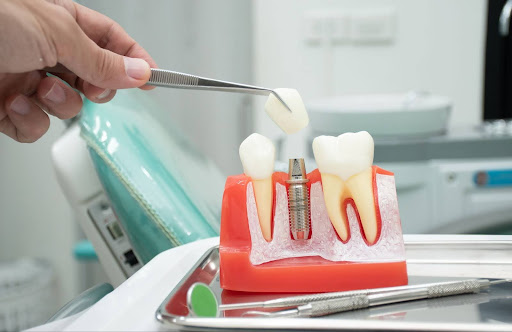
After a tooth has been extracted, it’s important to consider your tooth replacement options to restore function and appearance. Dental implants are a popular and permanent solution, offering a natural look and feel by anchoring a replacement tooth directly into the jawbone. This option helps preserve bone structure and supports the health of your mouth for years to come.
Dental bridges are another effective way to replace a missing tooth, using crowns on the surrounding teeth to hold a false tooth in place. For those missing several teeth, partial dentures or complete dentures can provide a comfortable and functional solution. The best replacement option for you will depend on several factors, including the number and location of teeth extracted, your overall health, and your personal preferences. Your dentist will help you choose the most suitable approach to restore your smile and maintain your oral health.
Aftercare for Tooth Extractions and Extraction Site Care
After your tooth extraction, we recommend doing the following to ensure a smooth recovery and support the healing process:
- Follow the instructions provided by the dentist or oral surgeon.
- Avoid smoking, spitting, or using a straw for at least 24 hours after the procedure, as these actions can increase the risk of dry socket, a painful complication where the blood clot in the gum socket becomes dislodged.
- Avoid hard or crunchy foods and eat soft foods that are easy to chew for the first few days.
- Apply an ice pack to the cheek near the extraction site to reduce swelling and discomfort.
- Take any prescribed pain medication and antibiotics as directed.
- Keep the extraction site, especially the gum socket, clean by gently rinsing the mouth with salt water to support proper healing.
- Avoid vigorous brushing near the extraction site for a few days.
- Avoid using mouthwash that contains alcohol.
- Attend follow-up appointments with the dentist or oral surgeon to monitor the healing of the gum socket and affected bone, ensuring there are no complications.
- Call your dentist or surgeon if you’re experiencing severe pain that persists, or if you notice signs of infection, nerve damage, or other complications.
Proper aftercare is essential to prevent complications such as bone loss in the extraction area and to promote a healthy healing process.
Frequently Asked Questions
Can I eat before a tooth extraction?
Whether or not you can eat post-extraction depends on the specific instructions provided by your dentist or oral surgeon. In some cases, your dentist may instruct you to fast for a certain period before the procedure.
What medications should I avoid before getting a tooth extracted?
Your dentist or oral surgeon may instruct you to avoid certain medications that can increase the risk of bleeding, such as aspirin or blood thinners. Make sure to disclose all medications and supplements you’re taking to your dentist or oral surgeon, including over-the-counter medicines.
Will I be able to drive myself home after a tooth extraction procedure?
Whether you can drive home depends on the pain management method used during the procedure. If you receive local anesthesia only, you may be able to drive yourself home, as patients typically recover directly in the dental chair. However, if your pain management involves sedation or general anesthesia, you’ll need a responsible adult to drive you home and monitor you for a few hours.
How long should I wait to eat or drink after a tooth extraction?
Your dentist or oral surgeon will provide specific instructions, but, in general, dental professionals recommend waiting at least an hour after the procedure before eating or drinking anything. Avoid using a straw for at least 24 hours to prevent dislodging the blood clot that forms at the dental extraction site.
Be Prepared for Your Tooth Extraction in NYC Today!
By following the instructions provided by your dentist or oral surgeon, you can minimize the risk of complications and promote proper healing afterward. It’s crucial to disclose all medications and supplements you’re taking, arrange for a responsible adult to accompany you to the appointment, and follow any pre-operative instructions provided. Remember to ask any questions about the procedure or aftercare and attend follow-up appointments as directed.
Dr. Scott Kissel is one of NYC’s leading dental implant and gum health specialists, trusted by patients across Manhattan, Brooklyn, Staten Island, and New Jersey for compassionate care. With proper preparation and aftercare, you can minimize discomfort and achieve a successful recovery after tooth extraction. Call 212-702-9088 to schedule your New York dental consultation with Dr. Scott Kissel today. You can also request an appointment online. Protect your health—one visit at a time
