Understanding Dental Implant Recession
Dental implant recession occurs when the gum tissue surrounding an implant begins to recede, exposing the implant or the underlying bone. This condition can arise due to several factors, including poor oral hygiene, genetic predisposition, or the design of the implant itself. Understanding these causes is crucial for both prevention and treatment.
For instance, a thin periodontium can lead to inadequate support for the gum tissue, increasing the risk of recession. Additionally, over-contoured abutments may create an unnatural emergence profile, further contributing to soft tissue loss. Addressing these issues early can help maintain the health and aesthetics of dental implants.
Soft Tissue Grafting Techniques for Implant Stability
Soft tissue grafting is a critical procedure for enhancing the stability and aesthetics of dental implants. This technique involves transplanting tissue to the area around the implant, which can thicken the periodontium and create a more favorable environment for the gums. It is especially beneficial in cases where recession has already occurred.
For example, a subepithelial connective tissue graft can be employed to widen the zone of attached gingiva, significantly reducing the risk of further recession. This procedure not only improves the aesthetic outcome but also contributes to the long-term success of the dental implant.
Case Studies: Successful Dental Implant Rescue
Examining case studies of successful dental implant rescue can provide valuable insights into effective treatment strategies. These real-life examples illustrate how various techniques, such as soft tissue grafting and proper implant placement, can lead to positive outcomes for patients experiencing recession.
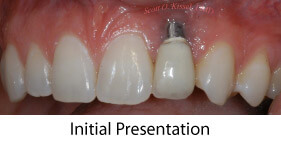
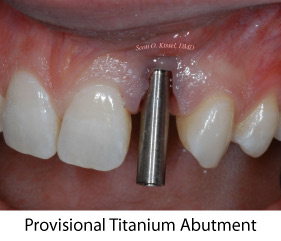
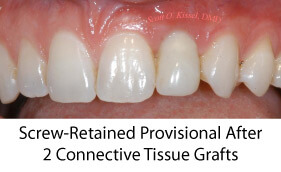
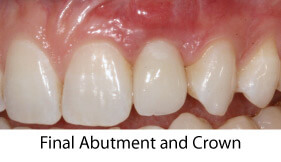
In one notable case, a patient with significant recession underwent two surgical procedures involving connective tissue grafts. The results demonstrated a restored soft tissue profile and improved aesthetics, showcasing the effectiveness of targeted interventions in dental implant therapy.
Preventive Care for Long-lasting Dental Implants
Preventive care is essential for maintaining the longevity of dental implants. Regular dental check-ups, proper oral hygiene practices, and effective plaque control can significantly reduce the risk of complications, including gum disease and recession.
Patients are encouraged to adopt a routine of daily brushing and flossing, along with professional cleanings every six months. Additionally, understanding the signs of gum disease and seeking timely intervention can help preserve the health of both natural teeth and dental implants.
Understanding Dental Implant Recession
Dental implant recession occurs when the gum tissue surrounding an implant begins to recede, exposing the implant or the underlying bone. This condition can arise due to several factors, including poor oral hygiene, genetic predisposition, or the design of the implant itself. Understanding these causes is crucial for both prevention and treatment.
For instance, a thin periodontium can lead to inadequate support for the gum tissue, increasing the risk of recession. Additionally, over-contoured abutments may create an unnatural emergence profile, further contributing to soft tissue loss. Addressing these issues early can help maintain the health and aesthetics of dental implants.
Soft Tissue Grafting Techniques for Implant Stability
Soft tissue grafting is a critical procedure for enhancing the stability and aesthetics of dental implants. This technique involves transplanting tissue to the area around the implant, which can thicken the periodontium and create a more favorable environment for the gums. It is especially beneficial in cases where recession has already occurred.
For example, a subepithelial connective tissue graft can be employed to widen the zone of attached gingiva, significantly reducing the risk of further recession. This procedure not only improves the aesthetic outcome but also contributes to the long-term success of the dental implant.
Case Studies: Successful Dental Implant Rescue
Examining case studies of successful dental implant rescue can provide valuable insights into effective treatment strategies. These real-life examples illustrate how various techniques, such as soft tissue grafting and proper implant placement, can lead to positive outcomes for patients experiencing recession.
In one notable case, a patient with significant recession underwent two surgical procedures involving connective tissue grafts. The results demonstrated a restored soft tissue profile and improved aesthetics, showcasing the effectiveness of targeted interventions in dental implant therapy.
Preventive Care for Long-lasting Dental Implants
Preventive care is essential for maintaining the longevity of dental implants. Regular dental check-ups, proper oral hygiene practices, and effective plaque control can significantly reduce the risk of complications, including gum disease and recession.
Patients are encouraged to adopt a routine of daily brushing and flossing, along with professional cleanings every six months. Additionally, understanding the signs of gum disease and seeking timely intervention can help preserve the health of both natural teeth and dental implants.