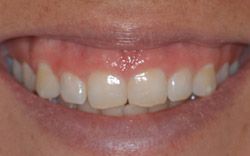
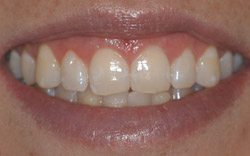
Crown lengthening is a cosmetic periodontal surgery that is performed to give you a more beautiful, less gummy smile. It’s also performed so that a “short” tooth that is chipped or broken can better support a filling or crown.
Cosmetic periodontal surgery patients choose periodontist, Dr. Kissel, for crown lengthening because he is known for using microsurgery techniques, which reduce the risk of damage to your tooth root and jawbone, provide for a more precise, accurate procedure and make your recovery time faster.
Crown lengthening is a cosmetic surgery procedure that is performed by:
Once Dr. Kissel has exposed enough of your tooth root to obtain the desired cosmetic and functional qualities, he will then close the surgical site.
Patients have a crown lengthening procedure to:
One of the reasons that dentists refer patients to Dr. Kissel is that he uses microsurgical techniques for many of his procedures, including crown lengthening. This approach reduces damage to roots and bone, improving your comfort and speeding your recovery.
You can expect the following from the procedure:
The microsurgical techniques that Dr. Kissel uses are very precise, and so you can expect your mouth to heal quickly after surgery. You can manage discomfort with over-the-counter prescriptions, and Dr. Kissel will advise you to eat soft foods and avoiding brushing near the surgical site for a period of time.did
The results of a crown lengthening cosmetic periodontal surgery can be stunning and dramatic. Many patients report that they feel more confident smiling and speaking with others after their crown lengthening procedure because they finally have a smile they can be proud of.
Crown lengthening patients typically benefit from this procedure because they:
For patients, crown lengthening exposes more of a tooth so that it is better able to support a filling or crown. This is particularly helpful in cases in which a tooth has chipped or broken. Dr. Kissel also offers the procedure as a cosmetic treatment, adjusting the levels of the gum tissue and bone to create a more balanced smile.
Open Hours
Monday to Friday
8:30am – 5pm
Crown lengthening is an ideal procedure for individuals who have excessive gum tissue that obscures the teeth, leading to a "gummy" smile. It is also beneficial for patients who need to expose more of the tooth structure for restorative work, such as crowns or bridges. If you're unhappy with the appearance of your smile due to the proportions of gum to tooth, this procedure may be a suitable option.
Additionally, crown lengthening can be recommended for patients experiencing dental issues that require more tooth exposure. This includes cases where decay is present below the gum line or when a tooth is fractured and needs restoration. Consulting with a qualified periodontist like Dr. Kissel can help determine if this procedure aligns with your dental goals.
The crown lengthening procedure typically involves the removal of excess gum tissue and, in some cases, bone, to expose more of the tooth structure. Initially, Dr. Kissel will administer local anesthesia to ensure patient comfort throughout the procedure. Using microsurgical techniques, he will carefully reshape the gum tissue and, if necessary, the bone around the affected teeth.
After the procedure, patients can expect a healing period during which they will follow specific aftercare instructions. This may include guidelines on diet and oral hygiene to promote healing and minimize discomfort. The precision of microsurgery often results in quicker recovery times compared to traditional surgical methods, allowing patients to enjoy their new smile sooner.
After undergoing crown lengthening, proper post-procedure care is crucial for optimal healing. Patients are advised to avoid hard or crunchy foods for a few days and stick to a soft food diet to prevent irritation at the surgical site. Additionally, following Dr. Kissel's specific care instructions, such as using prescribed mouth rinses, can help reduce the risk of infection.
Most patients experience mild discomfort, which can usually be managed with over-the-counter pain relievers. Regular follow-up appointments will be scheduled to monitor the healing process and ensure that the gums are responding well to the treatment. Dr. Kissel emphasizes the importance of adhering to these guidelines to achieve the best aesthetic and functional results.
Patients often have questions regarding the crown lengthening procedure, including its safety, effectiveness, and potential side effects. Common inquiries include how long the procedure takes, what to expect during recovery, and whether the results are permanent. Dr. Kissel is dedicated to addressing these concerns during consultations, ensuring that patients feel informed and confident about their treatment choices.
Additionally, some patients may wonder about the cost of crown lengthening and whether it is covered by insurance. While coverage can vary, Dr. Kissel's office provides assistance in navigating insurance benefits and offers flexible financing options to make the procedure more accessible. Understanding these aspects can help patients make informed decisions about their dental care.
Crown lengthening is an ideal procedure for individuals who have excessive gum tissue that obscures the teeth, leading to a "gummy" smile. It is also beneficial for patients who need to expose more of the tooth structure for restorative work, such as crowns or bridges. If you're unhappy with the appearance of your smile due to the proportions of gum to tooth, this procedure may be a suitable option.
Additionally, crown lengthening can be recommended for patients experiencing dental issues that require more tooth exposure. This includes cases where decay is present below the gum line or when a tooth is fractured and needs restoration. Consulting with a qualified periodontist like Dr. Kissel can help determine if this procedure aligns with your dental goals.
The crown lengthening procedure typically involves the removal of excess gum tissue and, in some cases, bone, to expose more of the tooth structure. Initially, Dr. Kissel will administer local anesthesia to ensure patient comfort throughout the procedure. Using microsurgical techniques, he will carefully reshape the gum tissue and, if necessary, the bone around the affected teeth.
After the procedure, patients can expect a healing period during which they will follow specific aftercare instructions. This may include guidelines on diet and oral hygiene to promote healing and minimize discomfort. The precision of microsurgery often results in quicker recovery times compared to traditional surgical methods, allowing patients to enjoy their new smile sooner.
After undergoing crown lengthening, proper post-procedure care is crucial for optimal healing. Patients are advised to avoid hard or crunchy foods for a few days and stick to a soft food diet to prevent irritation at the surgical site. Additionally, following Dr. Kissel's specific care instructions, such as using prescribed mouth rinses, can help reduce the risk of infection.
Most patients experience mild discomfort, which can usually be managed with over-the-counter pain relievers. Regular follow-up appointments will be scheduled to monitor the healing process and ensure that the gums are responding well to the treatment. Dr. Kissel emphasizes the importance of adhering to these guidelines to achieve the best aesthetic and functional results.
Patients often have questions regarding the crown lengthening procedure, including its safety, effectiveness, and potential side effects. Common inquiries include how long the procedure takes, what to expect during recovery, and whether the results are permanent. Dr. Kissel is dedicated to addressing these concerns during consultations, ensuring that patients feel informed and confident about their treatment choices.
Additionally, some patients may wonder about the cost of crown lengthening and whether it is covered by insurance. While coverage can vary, Dr. Kissel's office provides assistance in navigating insurance benefits and offers flexible financing options to make the procedure more accessible. Understanding these aspects can help patients make informed decisions about their dental care.