Understanding Gum Recession and Its Causes
Gum recession is a common dental issue where the gum tissue surrounding the teeth wears away, exposing more of the tooth or the tooth's root. This condition can lead to sensitivity, increased risk of decay, and aesthetic concerns, making it essential for patients to understand its causes and implications.
Several factors contribute to gum recession, including periodontal disease, aggressive brushing, hormonal changes, and genetic predisposition. Understanding these causes can help patients take preventive measures and seek timely treatment to avoid further complications.
Comparative Analysis: Alloderm vs. SECTG
This section explores the key differences between Alloderm and Subepithelial Connective Tissue Grafts (SECTG) in treating gum recession. Both grafting options have their unique advantages, and understanding these differences can help patients make informed decisions about their treatment.
Alloderm is a processed human tissue graft that offers a quicker recovery and less discomfort during the procedure, while SECTG, taken from the patient's palate, can provide superior tissue thickness and keratinized tissue. The choice between these options often depends on the specific needs of the patient and the recommendation of their periodontist.
Benefits of Periodontal Microsurgery
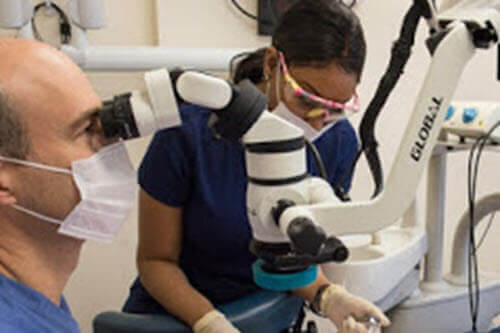
Periodontal microsurgery represents a significant advancement in the treatment of gum recession, offering patients minimally invasive options with enhanced precision. This technique allows for better visualization and access to the surgical site, leading to improved outcomes and faster recovery times.
By utilizing microsurgical techniques, periodontists can achieve more accurate graft placement and preserve surrounding tissues, resulting in less postoperative discomfort and a higher success rate. Patients considering gum recession treatments should inquire about the availability and benefits of microsurgical approaches.
Post-Operative Care for Gum Grafting Procedures
After undergoing a gum grafting procedure, proper post-operative care is crucial for successful healing and optimal results. Patients should follow their periodontist's instructions regarding oral hygiene, diet, and activity restrictions to ensure a smooth recovery process.
Key aspects of post-operative care include avoiding hard or crunchy foods, maintaining gentle oral hygiene practices, and attending follow-up appointments. Additionally, understanding potential signs of complications can help patients seek prompt care if needed, ensuring the best possible outcome from their treatment.