Understanding Chronic Periapical Lesions
Chronic periapical lesions are inflammatory conditions that occur at the apex of a tooth root, often resulting from untreated dental decay or trauma. These lesions can lead to significant complications if not addressed, including pain, swelling, and the potential loss of the affected tooth.
In the context of dental implants, understanding these lesions is crucial as they can affect the success of the implant procedure. Studies indicate that immediate placement of dental implants in sites with chronic periapical lesions can yield favorable outcomes, provided that the lesions are properly managed before and during the implant process.
Benefits of Immediate Dental Implant Placement
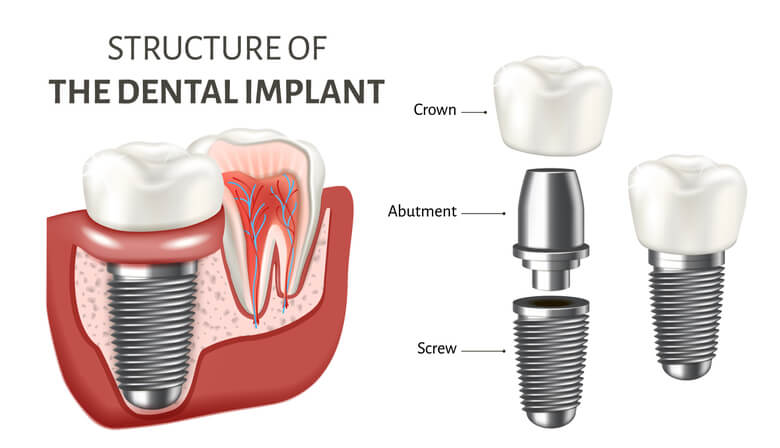
Immediate dental implant placement refers to the practice of inserting an implant right after tooth extraction. This approach offers several advantages, including reduced treatment time and improved aesthetic results, as patients can avoid the gap left by a missing tooth.
Research has shown that immediate placement can be successful even in cases involving chronic periapical lesions. By addressing the infection and ensuring a stable environment for the implant, dental professionals can enhance the likelihood of successful integration and long-term functionality of the implant.
Post-Operative Care for Dental Implants
Post-operative care is essential for the success of dental implants, especially in cases where chronic periapical lesions were present. Proper care involves following your periodontist's instructions regarding oral hygiene, dietary restrictions, and medication adherence.
Patients should also be aware of the signs of complications, such as persistent pain or swelling, which may indicate infection or implant failure. Regular follow-up appointments are crucial to monitor healing and ensure the implant is integrating well with the bone.
Consultation Process for Dental Implants
The consultation process for dental implants typically begins with a comprehensive examination, including imaging studies to assess the condition of the jawbone and the presence of any infections. During this visit, the periodontist will discuss the patient's medical history and specific concerns regarding chronic periapical lesions.
Following the initial assessment, the periodontist will outline a personalized treatment plan, addressing any necessary preliminary procedures, such as bone grafting or infection management, before proceeding with the implant placement. This thorough approach helps ensure a successful outcome and a positive experience for the patient.
Understanding Chronic Periapical Lesions
Chronic periapical lesions are inflammatory conditions that occur at the apex of a tooth root, often resulting from untreated dental decay or trauma. These lesions can lead to significant complications if not addressed, including pain, swelling, and the potential loss of the affected tooth.
In the context of dental implants, understanding these lesions is crucial as they can affect the success of the implant procedure. Studies indicate that immediate placement of dental implants in sites with chronic periapical lesions can yield favorable outcomes, provided that the lesions are properly managed before and during the implant process.
Benefits of Immediate Dental Implant Placement
Immediate dental implant placement refers to the practice of inserting an implant right after tooth extraction. This approach offers several advantages, including reduced treatment time and improved aesthetic results, as patients can avoid the gap left by a missing tooth.
Research has shown that immediate placement can be successful even in cases involving chronic periapical lesions. By addressing the infection and ensuring a stable environment for the implant, dental professionals can enhance the likelihood of successful integration and long-term functionality of the implant.
Post-Operative Care for Dental Implants
Post-operative care is essential for the success of dental implants, especially in cases where chronic periapical lesions were present. Proper care involves following your periodontist's instructions regarding oral hygiene, dietary restrictions, and medication adherence.
Patients should also be aware of the signs of complications, such as persistent pain or swelling, which may indicate infection or implant failure. Regular follow-up appointments are crucial to monitor healing and ensure the implant is integrating well with the bone.
Consultation Process for Dental Implants
The consultation process for dental implants typically begins with a comprehensive examination, including imaging studies to assess the condition of the jawbone and the presence of any infections. During this visit, the periodontist will discuss the patient's medical history and specific concerns regarding chronic periapical lesions.
Following the initial assessment, the periodontist will outline a personalized treatment plan, addressing any necessary preliminary procedures, such as bone grafting or infection management, before proceeding with the implant placement. This thorough approach helps ensure a successful outcome and a positive experience for the patient.