
Benefits of 3D CBCT Imaging in Periodontal Treatment
3D CBCT imaging offers numerous benefits in periodontal treatment, including enhanced visualization of the jawbone and surrounding structures. This advanced imaging technology allows periodontists to assess the condition of the bone and identify any potential issues that may affect treatment outcomes.
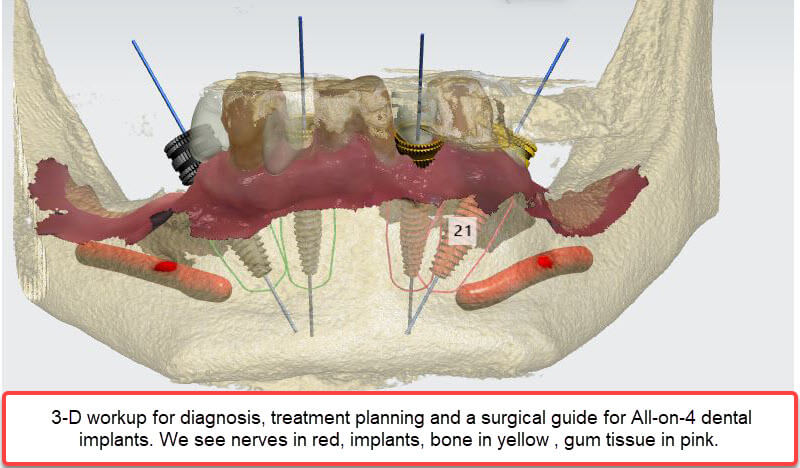
With the ability to create detailed three-dimensional images, 3D CBCT helps in accurate diagnosis and treatment planning. For instance, it enables better placement of dental implants by visualizing the precise location of nerves and blood vessels, thus minimizing risks during procedures.
How 3D CBCT Imaging Enhances Patient Safety
Patient safety is paramount in any dental procedure, and 3D CBCT imaging significantly contributes to this aspect. By providing a comprehensive view of the patient's anatomy, periodontists can avoid critical structures during surgery, thereby reducing the likelihood of complications.
Moreover, 3D CBCT technology utilizes lower radiation doses compared to traditional X-rays, making it a safer option for patients. This reduction in exposure is particularly important for individuals requiring multiple imaging sessions, ensuring their overall health is prioritized throughout their dental care.
Comparing 3D CBCT to Traditional X-Rays
When considering imaging options for dental procedures, understanding the differences between 3D CBCT and traditional X-rays is essential. Traditional X-rays provide only two-dimensional images, which can limit the visibility of underlying issues that may not be apparent.
In contrast, 3D CBCT offers a three-dimensional perspective, allowing for a more thorough examination. This capability not only aids in better diagnosis but also enhances the precision of treatment plans, ultimately leading to improved patient outcomes and satisfaction.
Frequently Asked Questions About 3D CBCT Imaging
Patients often have questions regarding 3D CBCT imaging and its implications for their dental treatment. Common inquiries include the safety of the procedure, the duration of the imaging process, and how the results will be used in treatment planning.
Addressing these concerns is crucial for patient comfort and understanding. For example, patients can be reassured that 3D CBCT is a quick, non-invasive procedure that provides essential information for their dental care, ensuring they are well-informed and confident in their treatment choices.
Benefits of 3D CBCT Imaging in Periodontal Treatment
3D CBCT imaging offers numerous benefits in periodontal treatment, including enhanced visualization of the jawbone and surrounding structures. This advanced imaging technology allows periodontists to assess the condition of the bone and identify any potential issues that may affect treatment outcomes.
With the ability to create detailed three-dimensional images, 3D CBCT helps in accurate diagnosis and treatment planning. For instance, it enables better placement of dental implants by visualizing the precise location of nerves and blood vessels, thus minimizing risks during procedures.
How 3D CBCT Imaging Enhances Patient Safety
Patient safety is paramount in any dental procedure, and 3D CBCT imaging significantly contributes to this aspect. By providing a comprehensive view of the patient's anatomy, periodontists can avoid critical structures during surgery, thereby reducing the likelihood of complications.
Moreover, 3D CBCT technology utilizes lower radiation doses compared to traditional X-rays, making it a safer option for patients. This reduction in exposure is particularly important for individuals requiring multiple imaging sessions, ensuring their overall health is prioritized throughout their dental care.
Comparing 3D CBCT to Traditional X-Rays
When considering imaging options for dental procedures, understanding the differences between 3D CBCT and traditional X-rays is essential. Traditional X-rays provide only two-dimensional images, which can limit the visibility of underlying issues that may not be apparent.
In contrast, 3D CBCT offers a three-dimensional perspective, allowing for a more thorough examination. This capability not only aids in better diagnosis but also enhances the precision of treatment plans, ultimately leading to improved patient outcomes and satisfaction.
Frequently Asked Questions About 3D CBCT Imaging
Patients often have questions regarding 3D CBCT imaging and its implications for their dental treatment. Common inquiries include the safety of the procedure, the duration of the imaging process, and how the results will be used in treatment planning.
Addressing these concerns is crucial for patient comfort and understanding. For example, patients can be reassured that 3D CBCT is a quick, non-invasive procedure that provides essential information for their dental care, ensuring they are well-informed and confident in their treatment choices.