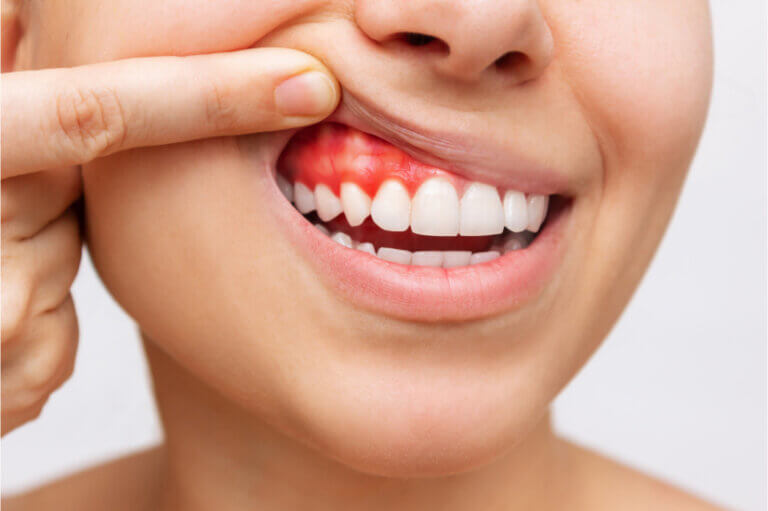
Laser vs. Perioscopy: What’s the Best Option for Treating Gum Disease?
Our New York Periodontist Can Reverse Your Gum Disease Symptoms Gum disease, also known as periodontal disease, affects millions of people each year and, if

Our New York Periodontist Can Reverse Your Gum Disease Symptoms Gum disease, also known as periodontal disease, affects millions of people each year and, if
Determining Which Periodontal Treatment Is Best for You When it comes to maintaining your periodontal health, choosing the right treatment is crucial. Dr. Scott Kissel
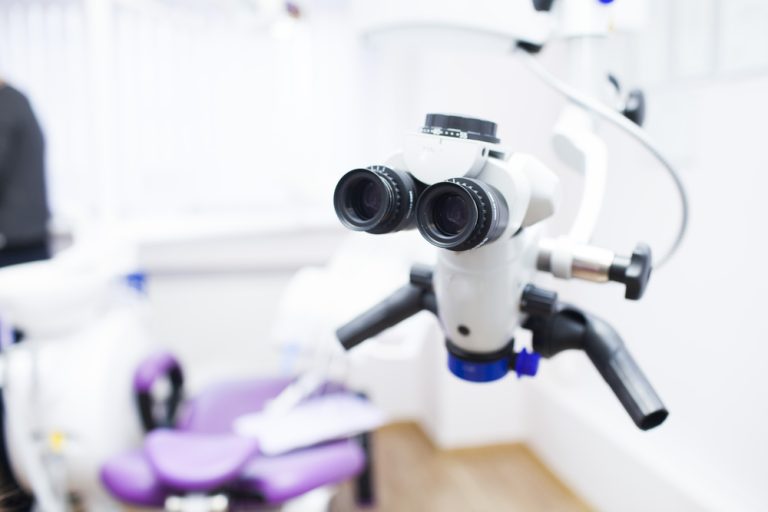
Experience The Benefits of Dental Microsurgery Periodontal microsurgery has transformed how dentists treat gum disease and other delicate procedures. This advanced technique allows for incredible
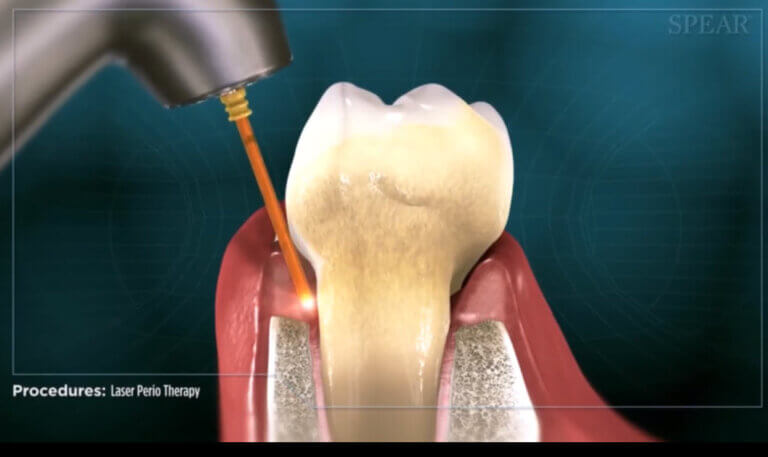
Explore Advanced Gum Treatments At NYC Periodontics and Implant Dentistry Laser dentistry is changing how we think about dental care, making treatments more precise, less
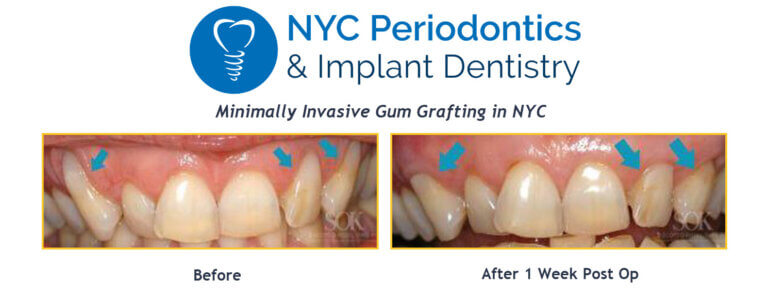
Many New Yorkers struggle with receding gums, a condition that exposes the sensitive root surfaces of teeth. According to research almost half of all adults

Many people use the terms “gum disease” and “gingivitis” interchangeably. However, there’s a crucial distinction between the two. Gingivitis is the initial, reversible stage of
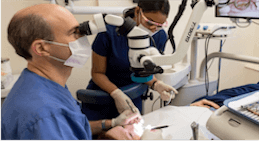
As a periodontist in Midtown Manhattan, New York City, Dr Kissel strives to provide his patients with the most effective and least invasive treatment solutions

As a Manhattan periodontist specializing in periodontal procedures using microsurgery, he has seen firsthand how microsurgical techniques can revolutionize the crown lengthening experience. If you

Do you have a decaying or damaged tooth? Are you unhappy with how it affects your smile and your confidence? Dr Kissel can offer you
Open Hours
Monday to Friday
8:30am – 5pm
Periodontal disease, often referred to as gum disease, is a serious infection of the gums that can lead to tooth loss if untreated. It is primarily caused by plaque buildup on teeth, which harbors bacteria that irritate the gums. Factors such as smoking, poor oral hygiene, and certain medical conditions can increase the risk of developing periodontal disease.
Additionally, genetics play a significant role in an individual's susceptibility to periodontal disease. For instance, individuals with a family history of gum disease may be more likely to experience similar issues. Regular dental check-ups and cleanings are essential for early detection and management of these risk factors.
Advancements in dental technology have led to innovative techniques in the treatment of periodontal disease. One such technique is the use of laser therapy, which allows for precise removal of infected tissue while minimizing damage to surrounding healthy tissue. This method not only enhances patient comfort but also promotes quicker healing times.
Another groundbreaking approach is the Pinhole Surgical Technique, which offers a minimally invasive option for gum recession. By repositioning gum tissue without the need for grafts, this technique results in less postoperative discomfort and faster recovery, making it an appealing choice for many patients seeking to restore their gum health.
After undergoing periodontal treatment, proper post-care is crucial for ensuring the success of the procedure and maintaining oral health. Patients are often advised to follow a specific oral hygiene regimen, which may include the use of antibacterial mouthwash and regular flossing to prevent plaque buildup.
In addition to at-home care, regular follow-up appointments with the periodontist are essential. These visits allow for monitoring of healing progress and adjustments to the treatment plan if necessary. Adhering to these guidelines can significantly enhance the longevity of the treatment outcomes and overall gum health.
Research has increasingly highlighted the connection between gum health and overall wellness. Poor periodontal health has been linked to various systemic conditions, including heart disease, diabetes, and respiratory issues. Understanding this connection emphasizes the importance of maintaining good oral hygiene and seeking timely dental care.
Moreover, patients with chronic conditions should be particularly vigilant about their gum health, as periodontal disease can exacerbate existing health issues. Regular dental visits can help manage both oral and systemic health, reinforcing the idea that a healthy mouth contributes to a healthier body.