When Do You Need a Periodontist?
As a New York City periodontist, Dr. Kissel understands the importance of maintaining good oral health. However, many people are unaware of the impact that
As a New York City periodontist, Dr. Kissel understands the importance of maintaining good oral health. However, many people are unaware of the impact that

If you have missing teeth or teeth which must be replaced then dental implant treatment in New York City can be the best way to
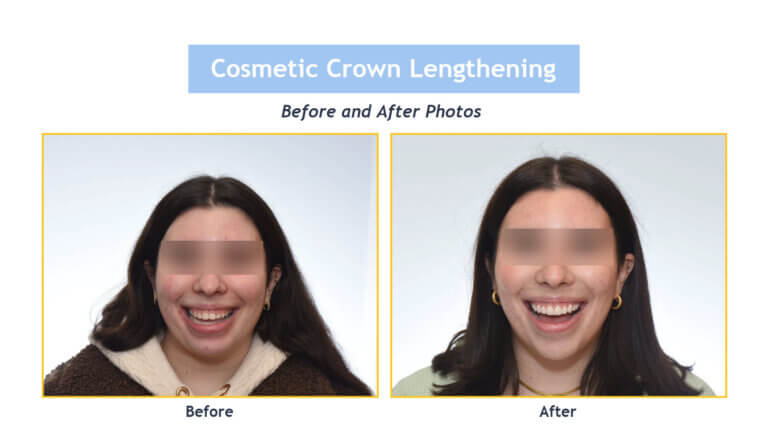
Many patients come to my Manhattan, NYC, periodontal office to reduce the amount of gum tissue displayed when smiling. This procedure is commonly called cosmetic crown lengthening (CCL).
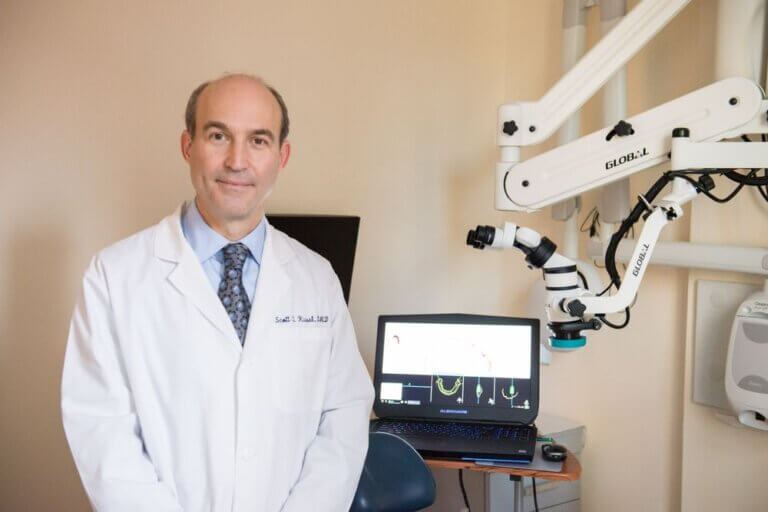
Periodontal issues and dental implant surgery can have a huge impact on your overall oral health. While it is possible to treat periodontal disease and
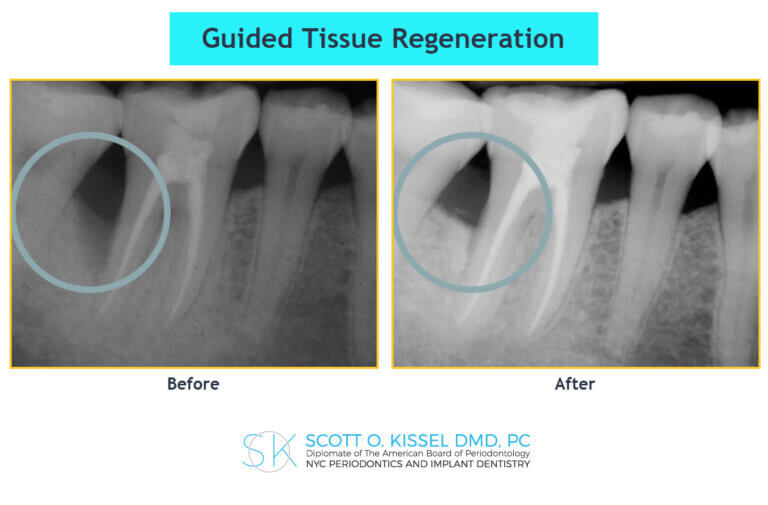
Are you in danger of losing teeth due to periodontal disease (gum disease)? Bone loss is one of the most devastating effects of advanced gum

More and more people choose to replace their missing or damaged teeth with dental implants. However, in order to be a candidate for a successful
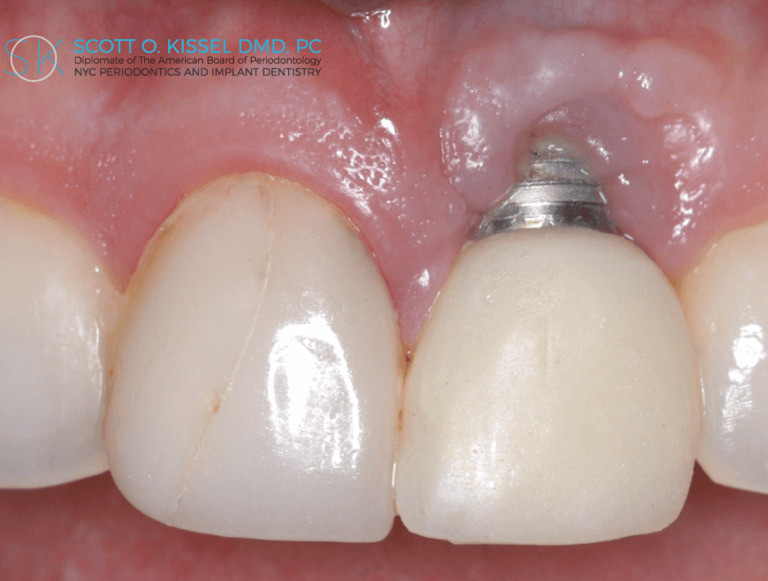
Teeth implants can be an exciting way to achieve the smile you’ve always wanted. They offer a fantastic solution for both patients who have lost

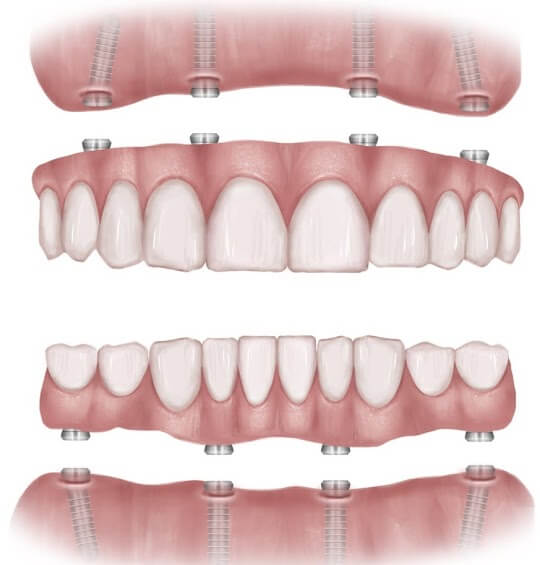
Traditionally, when people needed to replace an entire arch of teeth, they would go to their local dentist or periodontist to get fitted for dentures.

Over the past few decades, dental implants have become an extremely popular method for replacing missing or decaying/damaged teeth that can’t be saved. The reason
Open Hours
Monday to Friday
8:30am – 5pm
Periodontal disease, commonly known as gum disease, is a serious infection that damages the soft tissue and destroys the bone that supports your teeth. It's important for patients to recognize the signs and symptoms, which can include swollen gums, persistent bad breath, and loose teeth. Early intervention is key to preventing further complications.
According to the Centers for Disease Control and Prevention (CDC), nearly half of adults over the age of 30 have some form of periodontal disease. Regular dental check-ups and cleanings, along with good oral hygiene practices, can help manage and prevent this condition. Treatments can range from deep cleaning to surgical options depending on the severity.
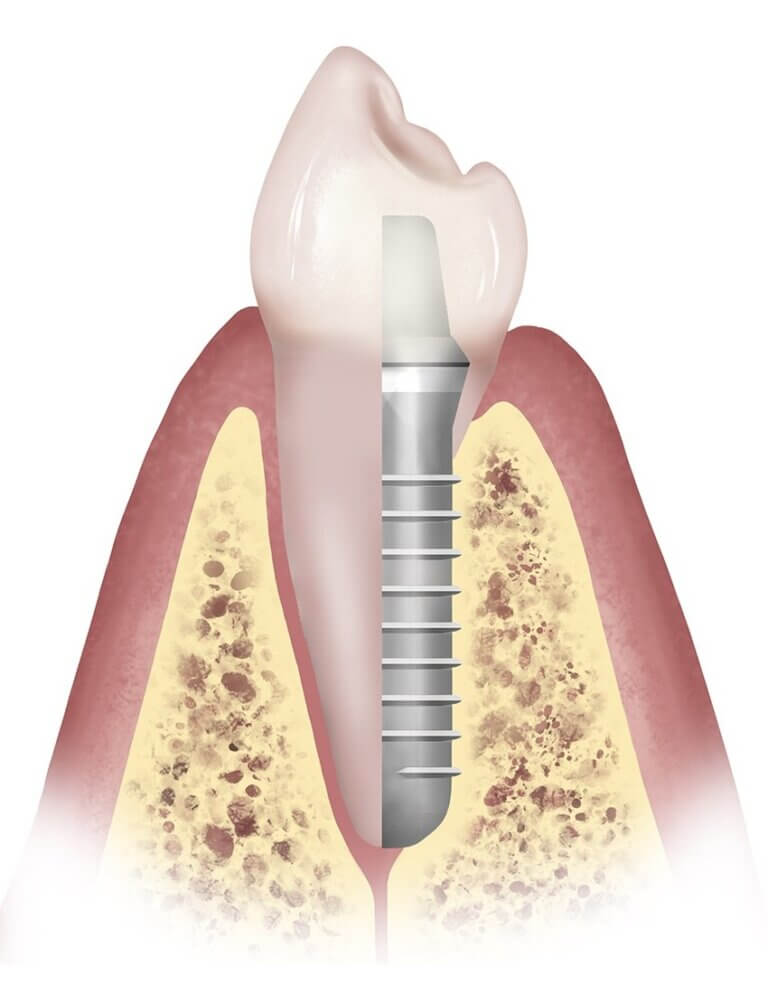
Dental implants offer a permanent solution for missing teeth, providing both aesthetic and functional benefits. Unlike dentures, which can slip and require frequent replacement, implants are securely anchored into the jawbone, mimicking the natural tooth root. This stability allows for improved chewing and speaking capabilities.
In addition to their functional advantages, dental implants also help maintain bone density in the jaw, preventing the bone loss that often occurs with missing teeth. Studies show that patients with implants report higher satisfaction levels compared to those with other tooth replacement options, making them a preferred choice for many.
Proper post-operative care is crucial for the success of dental implants. Patients are advised to follow their periodontist's instructions closely, which may include dietary restrictions, pain management strategies, and oral hygiene practices. Avoiding hard or chewy foods in the initial healing phase can significantly impact recovery.
Additionally, regular follow-up appointments are essential to monitor the healing process and address any concerns that may arise. Adhering to a good oral hygiene routine, including brushing and flossing around the implant site, is vital to prevent infection and ensure the longevity of the implants.
Advancements in periodontics, such as LANAPĀ® laser treatment, have revolutionized the way gum disease is treated. This minimally invasive technique can effectively target infected tissue while preserving healthy gum tissue, leading to quicker recovery times and less discomfort for patients.
Moreover, techniques like guided tissue regeneration and bone grafting are essential for restoring lost structures in the mouth. These procedures not only enhance the aesthetic outcome but also improve the overall health of the patient's mouth, allowing for successful dental implant placement in the future.