NYC Periodontal Office Technology
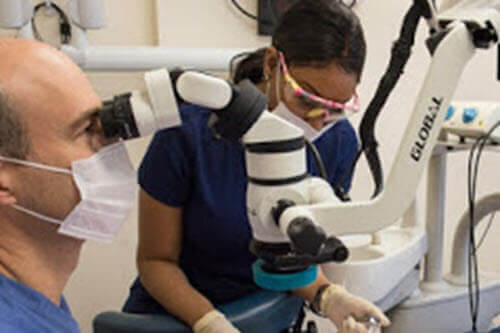
Over the past year, I have incorporated the use of resonance frequency analysis (RFA) to help determine when a dental implant is ready for loading.
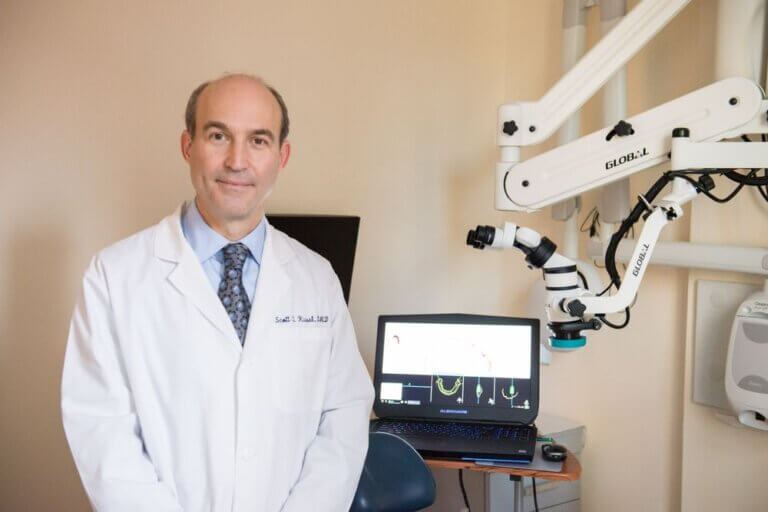
Over the past year, I have incorporated the use of resonance frequency analysis (RFA) to help determine when a dental implant is ready for loading.

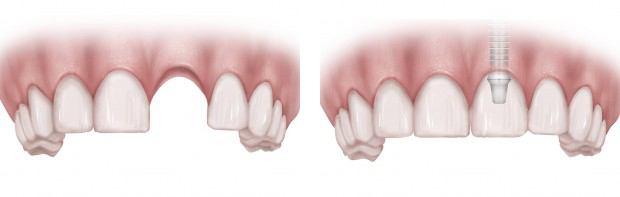
When a treatment plan involves the loss of a front tooth and implant replacement, many factors need to be critically assessed. One factor is the

Alloderm, an acellular dermal matrix originally used to cover burn wounds, is now being used in periodontal plastic procedures for root coverage. This exogenous tissue

Even after recent crown insertion, patients often present with exposed crown margins. I am frequently surprised when I see ample width and thickness of keratinized
Periodontal diseases can result in tooth loss. Periodontal disease has multiple causes. Topping the list are bacterial plaque and calculus (deposits). With traditional care, the
An interesting article was recently published in the Journal of Clinical Periodontics entitled The Association of Occlusal Contacts with the presence of increased periodontal probing
In the June 2009 issue of Clinical Oral Implant Research, there was an article entitled Instant provisionalization of immediate single-tooth implant is essential to optimize
Open Hours
Monday to Friday
8:30am – 5pm
Periodontal disease encompasses a range of conditions affecting the supporting structures of the teeth, including the gums and bone. It is primarily caused by the accumulation of plaque, leading to inflammation and infection, which can result in tooth loss if left untreated.
There are two main types of periodontal disease: gingivitis, which is the mildest form and characterized by gum inflammation, and periodontitis, a more severe condition that can damage the bone supporting the teeth. Early diagnosis and treatment are crucial to prevent progression and maintain oral health.
Dental implants serve as a permanent solution for replacing missing teeth, providing both functional and aesthetic benefits. They are designed to mimic the natural tooth root, ensuring stability and support for crowns, bridges, or dentures.
Implants are made from biocompatible materials that fuse with the jawbone through a process called osseointegration. This integration not only restores the appearance of a full smile but also helps preserve bone density, preventing further oral health issues.
Advancements in periodontal treatment techniques have revolutionized the way dental professionals approach gum disease and implant procedures. Techniques such as LANAPĀ® (Laser-Assisted New Attachment Procedure) offer minimally invasive options that promote faster healing and less discomfort for patients.
Other innovative methods include the Pinhole Surgical Technique, which allows for gum recession treatment without the need for grafting. These advancements not only enhance patient comfort but also improve the overall success rates of periodontal treatments.
Hearing from previous patients can provide valuable insights into the quality of care and outcomes at a dental practice. Testimonials often highlight the effectiveness of treatments and the compassionate approach of the staff, helping prospective patients feel more confident about their decisions.
Success stories, particularly regarding dental implants and periodontal disease management, showcase how advanced techniques can transform smiles and improve quality of life. These narratives serve as a source of motivation for individuals considering similar treatments.