What Causes Teeth Wear?
Excessive tooth wear causes many oral health complications. There are preventative and corrective treatment options for patients experiencing tooth wear issues.

Excessive tooth wear causes many oral health complications. There are preventative and corrective treatment options for patients experiencing tooth wear issues.

New York City residents who have lost a tooth are often looking for a tooth replacement option so that they can rebuild their smile and

Manhattan residents who are missing most or all of their teeth, or whose teeth cannot be salvaged, have two teeth replacement options – dentures and

If you’re a Manhattan adult who is missing a tooth or teeth, you may be considering a variety of teeth replacement options, including a bridge,

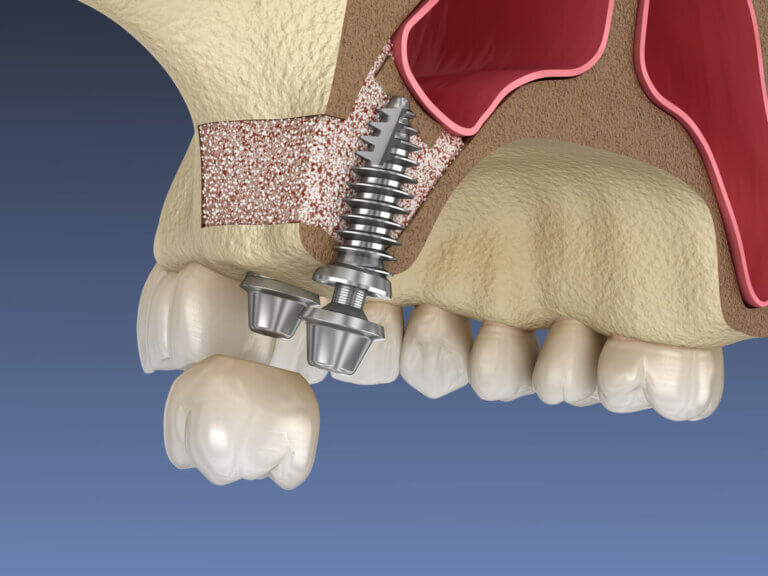
Dental implants are a common periodontics procedure, but reduced alveolar bone below the maxillary sinus is a frequent anatomical limitation to the placement of dental

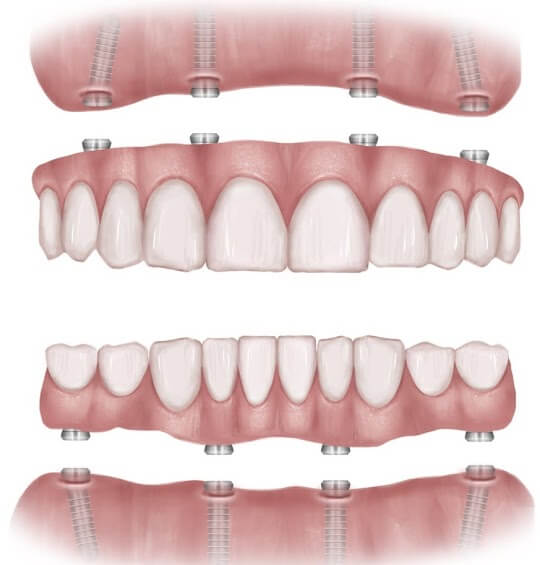
New York City residents who are missing all of their teeth, or whose teeth cannot be salvaged and must be removed, are often looking for

For many Manhattan residents who are missing teeth, one of the number one reasons they want to get dental implants is so that they can

Are you a New York City resident who is missing multiple teeth? If so, you are likely researching your teeth replacement options and deciding between
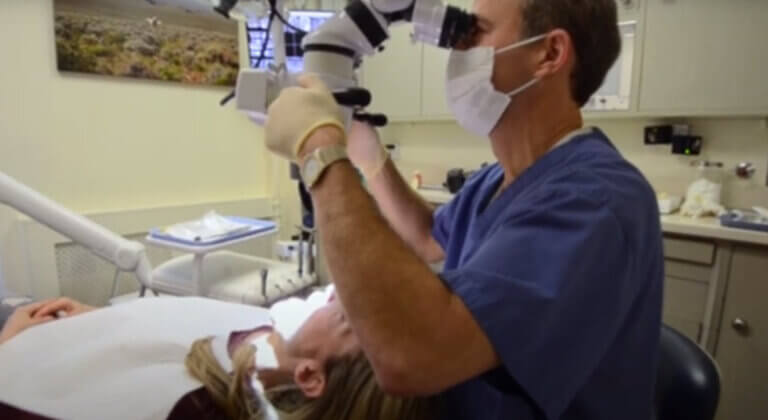
Recently I have incorporated a surgical microscope into the New York City practice. Microsurgery was introduced to the specialty of Periodontics in 1992. We are
Open Hours
Monday to Friday
8:30am – 5pm
Periodontal disease, often referred to as gum disease, is a serious infection that can affect the gums and bones supporting your teeth. It is primarily caused by the buildup of plaque and tartar, which can lead to inflammation, gum recession, and even tooth loss if left untreated.
Early signs of periodontal disease include swollen gums, persistent bad breath, and bleeding while brushing or flossing. Regular dental check-ups and cleanings are essential for prevention, and treatments may include deep cleaning, scaling, and root planing to restore gum health.
Dental implants offer a durable and aesthetically pleasing solution for individuals with missing teeth. Unlike traditional dentures or bridges, implants are anchored securely into the jawbone, providing stability and comfort that can last a lifetime with proper care.
In addition to restoring functionality for eating and speaking, dental implants help maintain jawbone density and prevent the facial sagging that can occur with tooth loss. Many patients report improved confidence and quality of life after receiving implants, making them a popular choice in modern dentistry.
After dental implant surgery, proper post-operative care is crucial for ensuring successful healing and integration of the implant with the jawbone. Patients are typically advised to follow specific guidelines, including maintaining oral hygiene and avoiding certain foods that may disrupt the healing process.
Regular follow-up appointments with your periodontist are also essential to monitor the healing progress. Additionally, patients should be aware of potential complications, such as infection or implant failure, and know when to seek further assistance.
When considering tooth replacement options, dental implants stand out against traditional solutions like bridges and dentures. While bridges require the alteration of adjacent teeth, implants are standalone solutions that do not compromise surrounding teeth.
Moreover, dentures can often lead to discomfort and require frequent adjustments, while implants offer a more permanent solution that mimics the function and appearance of natural teeth. Understanding these differences can help patients make informed decisions about their dental health.