Alloderm Results – Part 2
Lecturers and clinicians are recommending Alloderm as the graft of first choice. I see no evidence to support Alloderm over SECTG. They claim Alloderm is

Lecturers and clinicians are recommending Alloderm as the graft of first choice. I see no evidence to support Alloderm over SECTG. They claim Alloderm is

I would like to highlight a recent article in the Journal of Clinical Periodontology, entitled; *Acellular dermal matrix allograft (Alloderm) versus subepithelial connective tissue graft
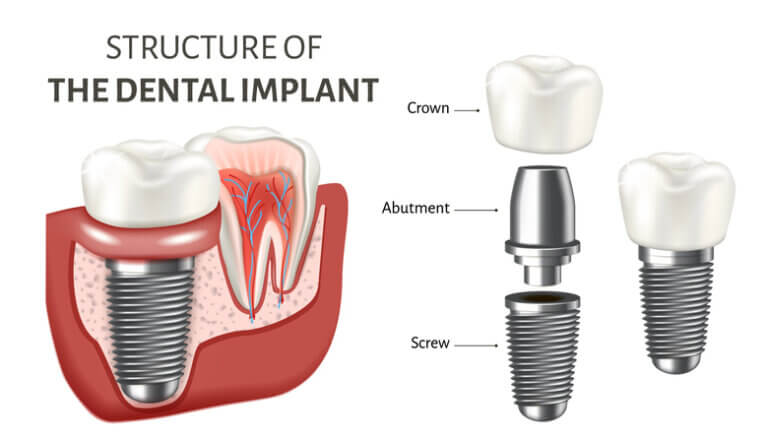
Recently, an article entitled Effect of Surface Topography of Implant Abutments on Retention of Cemented Single-tooth Crowns, by Tomie Nakakuki de Campos et al., for the International

Another article in the Journal of Periodontology, Fresh-Socket Implants in Periapical Infected Sites in Humans, by Crespi, Roberto, deserves attention. Journal of Periodontology Mar 2010, Vol.
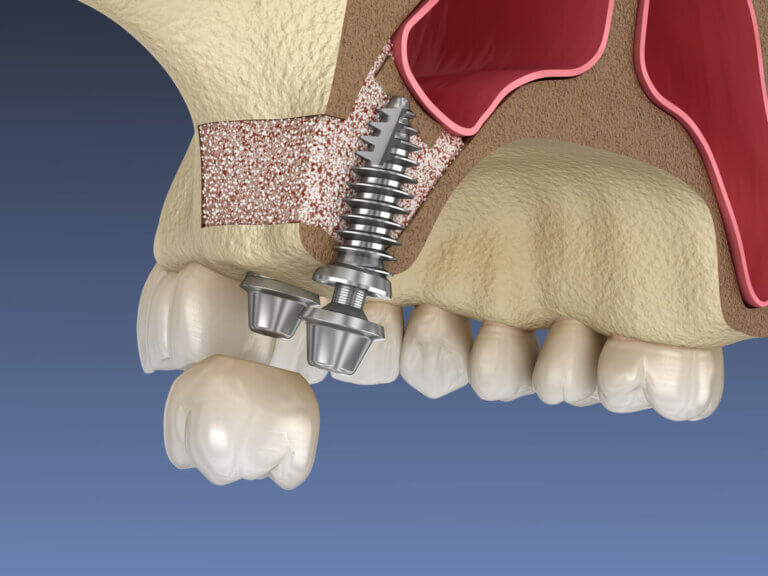
Dental implant surgery in the posterior maxilla requires consideration of anatomic factors. Due to reduced bone quality of this region, tooth loss results in
In the last decades, laser therapy has been proposed as an alternative to therapy, due to its capability to obtain tissue ablation, hemostatic, bactericidal and
Should all NSAIDS be avoided in patients with aspirin reactions? Most aspirin and NSAID reactions AREN’T immune-mediated or TRUE allergies. Most are sensitivities due to

The April 2010 edition of the Journal of Periodontology had an article entitled “Tissue Biotype and Its Relation to the Underlying Bone Morphology”, authored by

In the November issue of the Journal of Periodontology, an article entitled A 4-year evaluation of the peri-implant parameters of immediately loaded implants placed in
Open Hours
Monday to Friday
8:30am – 5pm
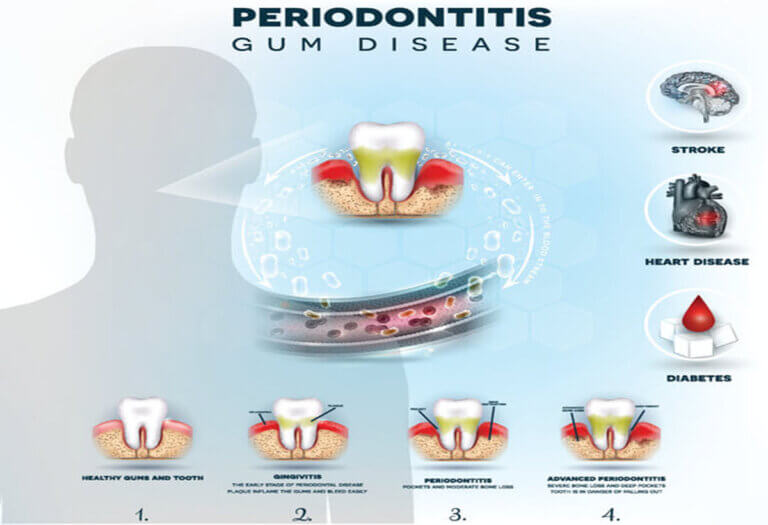
Periodontal disease, commonly known as gum disease, is an infection of the tissues that surround and support your teeth. It is primarily caused by poor oral hygiene that allows plaque—a sticky film of bacteria—to build up on teeth, leading to inflammation and infection.
There are two main stages of periodontal disease: gingivitis, which is mild and reversible, and periodontitis, which is more severe and can result in tooth loss if left untreated. Regular dental check-ups and proper oral care can help prevent these conditions and maintain overall periodontal health.
Dental implants are a popular solution for replacing missing teeth, providing a strong foundation for fixed or removable replacement teeth that are made to match your natural teeth. They offer numerous benefits, including improved appearance, comfort, and oral health.
Unlike dentures, dental implants are designed to fuse with bone, providing a permanent solution that does not slip or cause discomfort. Additionally, they help preserve the jawbone and prevent the bone loss that often occurs with missing teeth.
Recent advancements in periodontal treatments have revolutionized how dental professionals approach gum disease and related issues. Techniques such as LANAP® (Laser Assisted New Attachment Procedure) utilize laser technology to treat periodontal disease with minimal discomfort and faster recovery times.
These innovations not only enhance the effectiveness of treatments but also improve patient experiences by reducing the need for invasive surgical procedures. Staying informed about these advancements can empower patients to make better decisions regarding their periodontal health.
Educating patients about periodontal health is crucial for prevention and effective treatment. Resources such as informative articles, videos, and consultations can help patients understand their conditions and the importance of maintaining good oral hygiene.
By providing accessible information and support, dental practices can foster a proactive approach to dental care, encouraging patients to seek regular check-ups and stay informed about the latest treatments and technologies available to them.