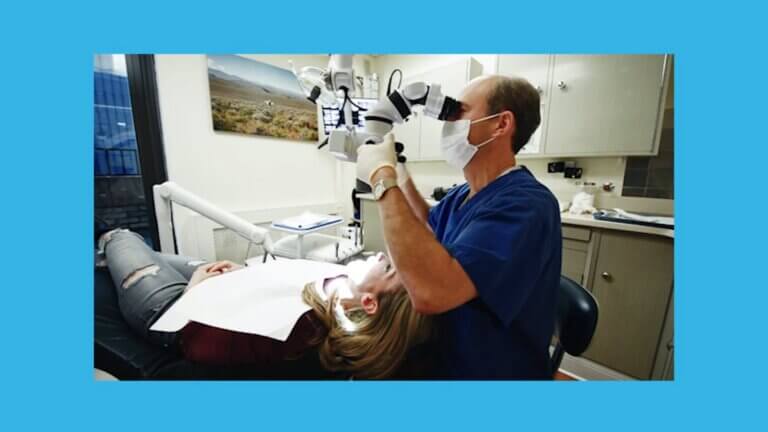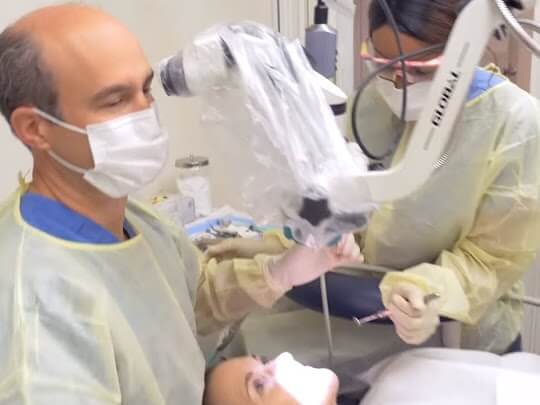
Tooth Extraction with Periodontal Microsurgery vs. Traditional Techniques
Many traditions are good. They provide a sense of richness to culture and wisdom from generations past. When it comes to tooth extraction, though, traditional

Many traditions are good. They provide a sense of richness to culture and wisdom from generations past. When it comes to tooth extraction, though, traditional
Recently Dr. Kissel was the first Manhattan periodontist to be trained and certified to perform the Pinhole Technique. This technique is a minimally invasive procedure used
Despite our best efforts, there are times where a majority of teeth in one part of the jaw have a hopeless prognosis and must be
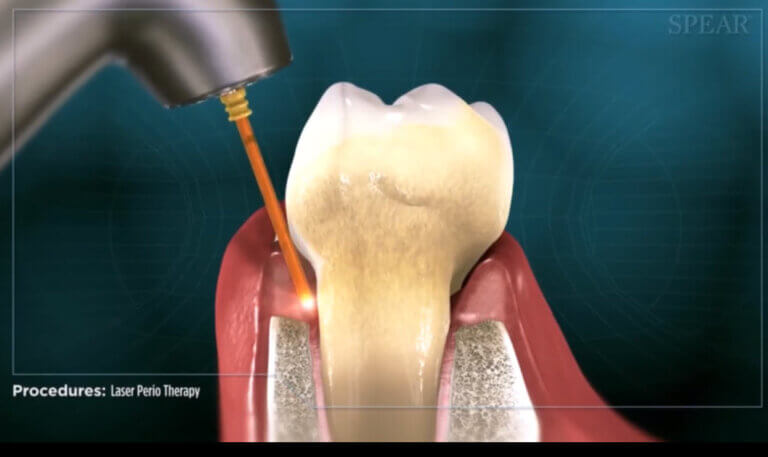
Dental colleagues and patients often ask me who the ideal candidate for laser periodontal therapy is. The fact is that any patient who shows evidence
Many people don’t realize how much caffeine and other stimulants are in energy drinks (Red Bull, etc). And the labels usually don’t help either. In
Gum tissue grafting is indicated for many clinical situations, including root coverage, increasing attached (keratinized) tissue or for ridge augmentation. Gum tissue can be taken
The head has many sinuses, which are cavities within the head which clean and warm air. The cavities have a very thin lining. Think of
Prior to placing an implant, it is often necessary to regenerate bone in the jaw. There are many bone regeneration options including a bone graft.

Recent advances in imaging now allow for more predictable treatment outcomes. The 3D CBCT (three-dimensional cone beam computed tomography) scanner allows for accurate visualization of
Open Hours
Monday to Friday
8:30am – 5pm
Periodontal disease is a serious gum infection that damages the soft tissue and can destroy the bone that supports your teeth. It is usually caused by poor oral hygiene, leading to plaque buildup on teeth, which can eventually harden into tartar. If left untreated, periodontal disease can lead to tooth loss and has been linked to other health issues such as heart disease and diabetes.
There are two main types of periodontal disease: gingivitis and periodontitis. Gingivitis is the mild form, characterized by red, swollen gums that may bleed. Periodontitis is more severe and can lead to the formation of pockets between the teeth and gums, further exacerbating the condition. Regular dental check-ups and good oral hygiene practices are essential for preventing and managing these diseases.
Gum grafting is a surgical procedure used to treat gum recession and improve the aesthetics of the smile. This technique involves taking gum tissue from another part of your mouth and attaching it to the affected area to restore lost gum tissue. It not only enhances the appearance of your gums but also helps protect your teeth from sensitivity and decay.
There are several types of gum grafting procedures, including connective tissue grafts, free gingival grafts, and pedicle grafts. Each type is chosen based on the specific needs of the patient and the extent of gum recession. Successful gum grafting can lead to improved oral health and a more confident smile.
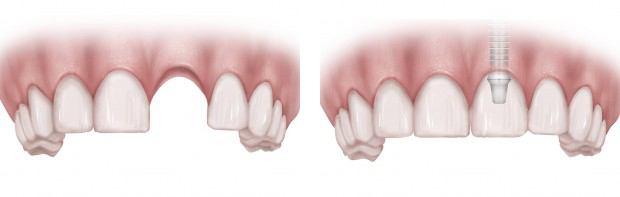
Dental implants have revolutionized the field of dentistry, providing a permanent solution for missing teeth. These implants are titanium posts surgically placed in the jawbone, serving as a sturdy foundation for replacement teeth. The advancements in implant technology have made the procedure more accessible and successful than ever before.
Recent innovations include the use of 3D imaging for precise placement, mini dental implants for less invasive options, and immediate implant placement after tooth extraction. These developments not only enhance the efficiency of the procedure but also improve patient comfort and recovery times, making dental implants a preferred choice for many.
Proper post-operative care is crucial for the success of dental procedures, especially after surgeries like gum grafting or dental implants. Following your dentist's instructions can help minimize discomfort, reduce the risk of complications, and ensure a smooth recovery. Key aspects of post-operative care include managing pain, maintaining oral hygiene, and avoiding certain foods.
Patients are often advised to use ice packs to reduce swelling, take prescribed medications as directed, and follow a soft food diet for a few days after surgery. Regular follow-up appointments are also essential to monitor healing and address any concerns that may arise during the recovery process.