I Have a Missing Tooth. What Are My Options?
It’s hard to truly understand the important role your teeth play in your daily life — until you actually lose one. With the loss of

It’s hard to truly understand the important role your teeth play in your daily life — until you actually lose one. With the loss of

For adults missing teeth, dental implants have proven to be life-changing in many ways. In addition to the aesthetic benefits, dental implant patients in Manhattan

The idea of a tooth extraction doesn’t sit well with most people at first — after all, who wants to have their teeth pulled? However,
When the idea of television was first conceived, many probably thought it was nothing more than a silly pipe dream with limited application. Fast forward
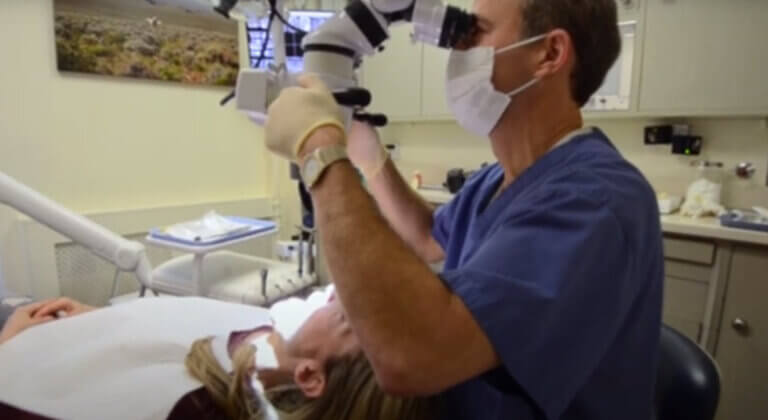
Manhattan is a beautiful, busting center of commerce – fast-paced and filled with options, no matter what you’re looking for. But, discerning individuals know that

In the past, dentures were pretty much the only option for people that suffered tooth loss. Although dentures present a solution of relative ease for

It’s an alarming fact – 3 out of every 4 adults will be affected by gum disease at some point in their lives and adults

There’s a saying that goes something like this: “If you always do what you always did, you’ll always get what you always got.” This can

Dental implants are a natural-looking tooth replacement option that provides the same functionality as your existing teeth and prevents bone resorption. Dr. Kissel recommends tooth
Open Hours
Monday to Friday
8:30am – 5pm
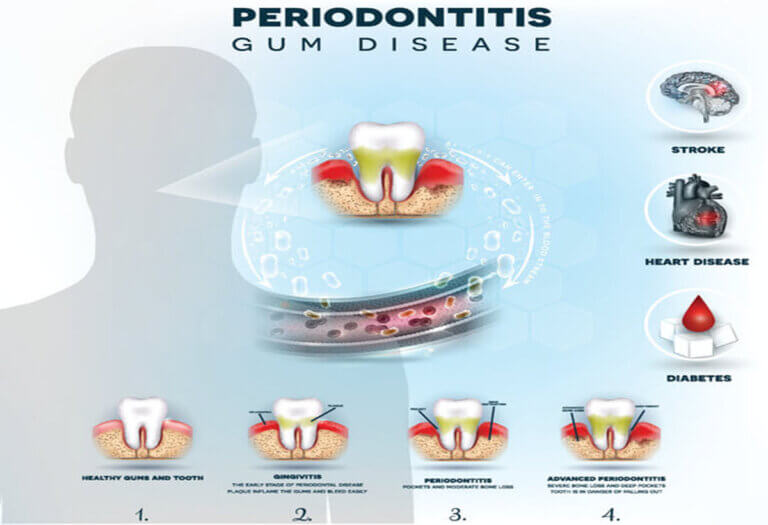
Periodontal disease, commonly known as gum disease, is an infection of the tissues that surround and support your teeth. It is primarily caused by poor oral hygiene that allows plaque—a sticky film of bacteria—to build up on teeth and harden into tartar. If left untreated, periodontal disease can lead to tooth loss and has been linked to other health issues, including heart disease and diabetes.
There are two main stages of periodontal disease: gingivitis and periodontitis. Gingivitis is the milder form, characterized by inflammation and bleeding of the gums. If not addressed, it can progress to periodontitis, where the inflammation spreads to the bone that supports the teeth, potentially leading to severe complications. Regular dental check-ups and proper oral hygiene practices are essential for prevention and early detection.
The dental implant procedure is a multi-step process that begins with a thorough examination and treatment planning. During the initial consultation, Dr. Kissel evaluates the patient's oral health and discusses the best options for their specific situation. The procedure typically involves placing a titanium post into the jawbone, which serves as a replacement root for the missing tooth.
After the implant is placed, a healing period follows, during which the bone integrates with the implant, a process known as osseointegration. Once healed, an abutment is attached to the implant, and a custom-made crown is placed on top. This comprehensive approach ensures a natural appearance and functionality, making dental implants a preferred choice for tooth replacement.
Post-operative care is crucial for the success of dental implants. After the procedure, patients may experience some swelling and discomfort, which can be managed with prescribed medications. It is important to follow Dr. Kissel's aftercare instructions, which typically include avoiding hard foods and maintaining good oral hygiene practices to promote healing.
Regular follow-up appointments are essential to monitor the healing process and ensure that the implant is integrating properly with the bone. Patients should also be aware of signs of complications, such as prolonged pain or infection, and contact the practice immediately if these occur. Proper care can significantly enhance the longevity and success of dental implants.
There are numerous myths surrounding dental implants that can deter individuals from considering this effective tooth replacement option. One common misconception is that dental implants are painful; however, most patients report minimal discomfort during and after the procedure due to advancements in anesthesia and surgical techniques.
Another myth is that dental implants are only for older adults. In reality, dental implants can be suitable for anyone with healthy gums and enough bone density to support the implant, regardless of age. Educating potential patients about these myths can help them make informed decisions about their dental health and the benefits of implants.