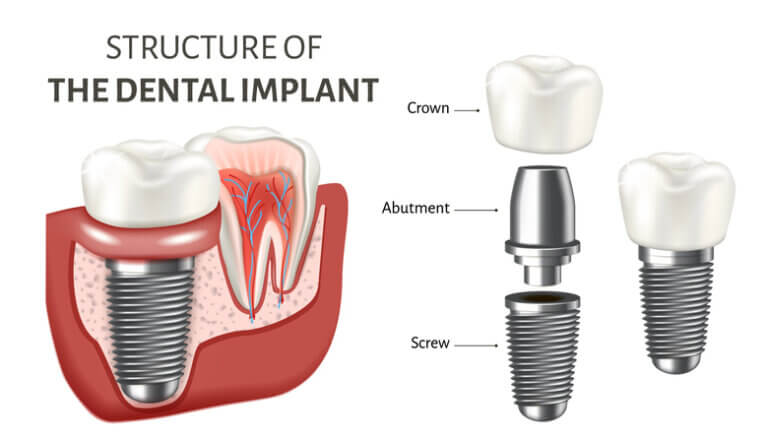
6 Steps For The Dental Implant Process
If you live in New York City and you have loose or missing teeth or need to have a tooth or teeth removed due

If you live in New York City and you have loose or missing teeth or need to have a tooth or teeth removed due

Some of the basic actions you must perform each day to prevent periodontal disease are brushing and flossing your teeth properly. We’d like to share
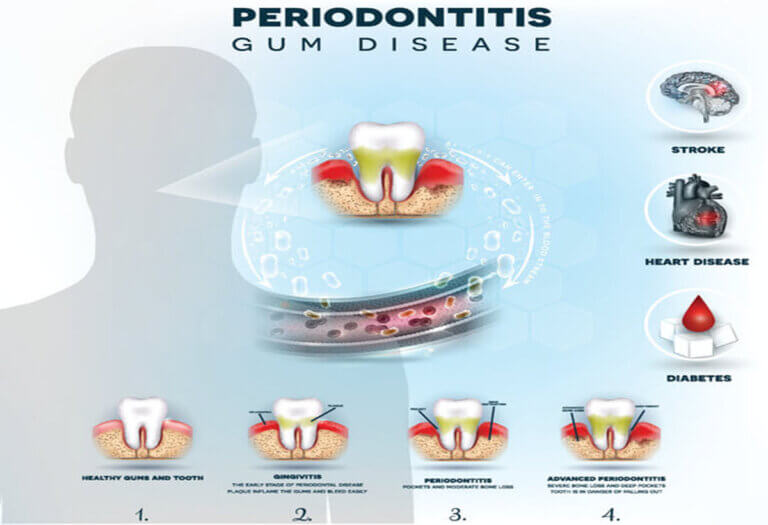
Your dentist or periodontist just told you that you have deep pockets around your teeth and you need periodontal treatment. It is important for you
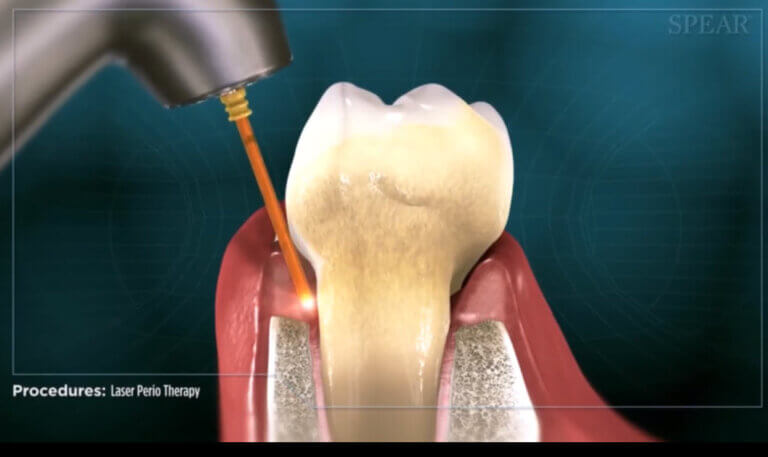
Periodontal disease can be one of the most difficult dental conditions to treat. There are various factors that can affect the patient’s clinical outcome. For
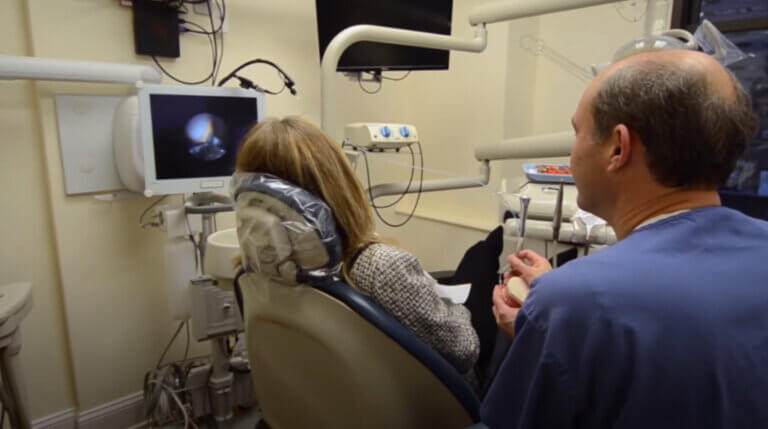
Seeing pink in the sink after brushing? You aren’t alone. One of the most common oral health problems in New York City, bleeding gums are
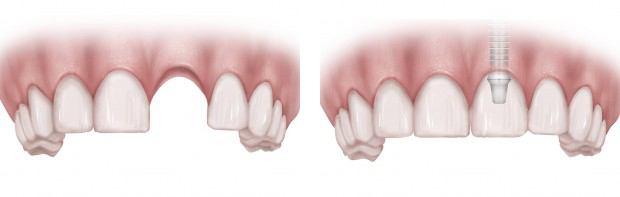
If you’re missing a tooth, you might be wondering, “Why should I replace it?” After all, if it doesn’t bother you cosmetically, or if it’s

If you have a tooth that appears longer than other teeth in your mouth, or you see the roots of your teeth when you smile,

Do you have a family history of periodontal disease? Have you heard about how periodontal disease can lead to unwanted complications, like tooth loss, and

If you’ve noticed that your gums are swollen, bleeding, red, or something else that’s unusual in your mouth, you’re probably wondering what in the world
Open Hours
Monday to Friday
8:30am – 5pm
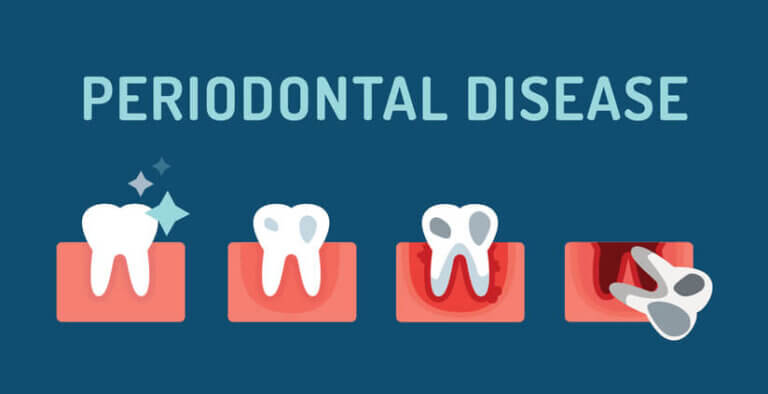
Periodontal disease, also known as gum disease, is a serious infection that damages the soft tissue and bone supporting your teeth. It can lead to tooth loss if not treated effectively. Understanding the stages of periodontal disease, from gingivitis to advanced periodontitis, is crucial for maintaining oral health.
Early signs of periodontal disease include swollen or bleeding gums, persistent bad breath, and receding gums. Regular dental check-ups and good oral hygiene practices, such as brushing and flossing, can help prevent the progression of this condition and protect your smile.
Dental implants offer numerous benefits for individuals missing one or more teeth. They provide a permanent solution that closely mimics the look and function of natural teeth, enhancing both aesthetics and oral functionality. Patients often experience improved confidence and comfort when speaking, eating, and smiling.
Moreover, dental implants help preserve jawbone health by stimulating bone growth, preventing the bone loss that typically occurs after tooth loss. This not only maintains facial structure but also contributes to overall oral health, making implants a preferred choice for many dental professionals.
Proper post-operative care is essential for the success of dental implants. After the procedure, patients should follow their dentist's instructions closely to ensure optimal healing. This includes managing pain, avoiding certain foods, and maintaining oral hygiene to prevent infection.
It's also important to attend follow-up appointments for monitoring recovery and to address any concerns. Engaging in good oral care habits, such as regular brushing and flossing, will help prolong the life of your implants and maintain overall dental health.
Choosing between traditional dentures and dental implants can be a significant decision for those with missing teeth. While dentures are removable and may be less expensive upfront, implants provide a more stable and long-lasting solution that mimics natural teeth more closely.
Implants also eliminate the discomfort and social anxiety often associated with dentures, such as slippage or the need for adhesive. Understanding the differences in maintenance, cost, and comfort can help you make an informed choice that best suits your lifestyle and dental needs.