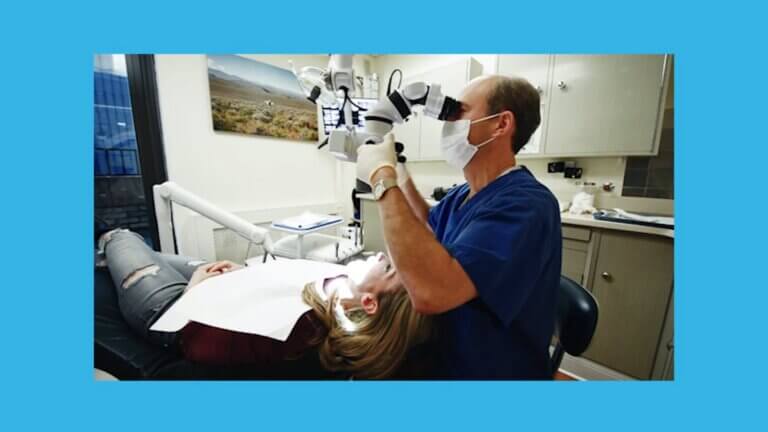
Can I Get Teeth Implants If I Have Bone Loss?
Most men and women who want to restore their oral function and replace their loose or missing teeth are often very anxious to get started

Most men and women who want to restore their oral function and replace their loose or missing teeth are often very anxious to get started

Dental implants have become increasingly popular for those who have loose or missing teeth. Because they are permanently secured into the jawbone, they provide men

For patients who have lost one, two, or even an entire mouthful of teeth, dental implants can provide amazing results that are natural-looking, fully functional,
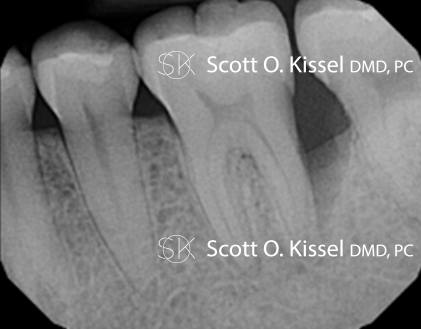
The primary goal of periodontal therapy is the reduction or elimination of inflammation. Traditionally, this is accomplished through removal of subgingival tooth‐borne accretions using non‐surgical
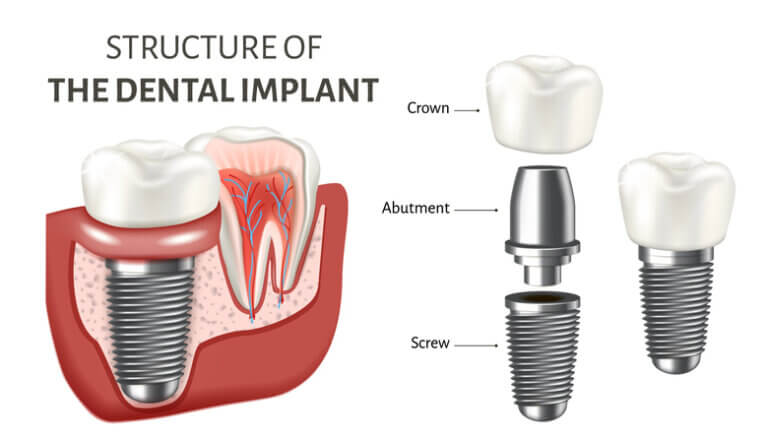
With the prevalence of peri-implantitis, dental implant abutment selection and design need to be critically assessed to minimize its impact on hard and soft tissues.

I hope that you and your family have remained healthy and have been able to manage reasonably well with the stress and difficult circumstances of

March 15th, 2020 Amid ongoing concern about the coronavirus COVID-19, our top priority is the health, safety, and well-being of our patients. I would like

I want to share with you a recent case I completed. This patient presented with resorption Tooth #10, fifteen years after a traumatic injury. As

A common complication of dental implant therapy is the development of peri-implantitis (PI), which is defined as “a destructive inflammatory process affecting osseointegrated implants in
Open Hours
Monday to Friday
8:30am – 5pm
Periodontal disease, also known as gum disease, is a common condition that affects the supporting structures of the teeth. It begins with gingivitis, characterized by inflammation and bleeding of the gums, and can progress to more severe forms if untreated. Understanding the signs and symptoms of periodontal disease is crucial for early intervention and effective management.
According to the American Academy of Periodontology, nearly half of adults aged 30 and older have some form of periodontal disease. Risk factors include poor oral hygiene, smoking, and certain medical conditions. Regular dental check-ups and cleanings can help prevent the progression of this disease, ensuring better oral health and longevity of your teeth.
Dental implants offer a permanent solution for tooth loss, providing both aesthetic and functional benefits. Unlike dentures or bridges, implants are surgically placed into the jawbone, allowing for a natural look and feel. They restore the ability to chew and speak comfortably, significantly improving the quality of life for individuals with missing teeth.
Additionally, dental implants help maintain jawbone health by stimulating bone growth, preventing the bone loss that typically accompanies tooth loss. Studies have shown that patients with implants report higher satisfaction rates compared to those with traditional prosthetics, making them a preferred choice for many seeking to restore their smile.
After undergoing dental implant surgery, proper post-operative care is essential for ensuring successful healing and integration of the implant. Patients are advised to follow specific guidelines, such as avoiding hard foods, maintaining oral hygiene, and taking prescribed medications to manage pain and prevent infection.
Following these care instructions can significantly reduce the risk of complications. Regular follow-up visits with your periodontist will also help monitor the healing process and ensure that the implants are successfully integrating with the bone, leading to a long-lasting and functional restoration.
Selecting a qualified periodontist is crucial for receiving the best care for your periodontal and implant needs. When looking for a specialist, consider their credentials, experience, and patient reviews. It’s important to choose someone who not only has the necessary training but also makes you feel comfortable and informed throughout your treatment.
Ask potential periodontists about their approach to treatment and whether they offer the latest techniques and technologies. A good periodontist will take the time to explain your options and work collaboratively with you to develop a personalized treatment plan that meets your specific needs.